|
1 |
2 |
3 |
4 |
5 |
1 |
2 |
Read
How the Grace Sleep Method Gently Helps Toddlers Overcome Nighttime Fears
A Faith-Based Sleep Solution

|
If your child is scared at night, the answer is not to push independence—or to stay stuck comforting forever. What your child needs is a gentle process that builds emotional safety first, then sleep confidence, without pressure, fear, or power struggles. That’s exactly what The Grace Sleep Method is designed to do. Why Nighttime Fear Needs a Process (Not a Quick Fix) Nighttime fears don’t disappear because:
Fear fades when a child:
This happens step by step, not overnight. That’s why the Grace Sleep Method focuses on progress, not pressure.
What Is the Grace Sleep Method? The Grace Sleep Method is a faith-aware, child-centered sleep framework that helps toddlers and preschoolers sleep better by addressing:
It’s not:
It’s a gentle bridge from fear → safety → rest. The Grace Sleep Method for Nighttime Fears: The 4-Part Process Stage 1: Safety Before Sleep (This is where most advice skips ahead too fast) Before sleep can improve, your child must feel:
This includes:
Safety is the foundation. Sleep builds on top of it. Stage 2: Predictable Comfort (Not Rescue) Children with nighttime fears don’t need rescuing—they need predictable reassurance. In this stage, parents learn to:
Your child begins to think: “I know what happens when I feel scared—and I can handle it.” That’s confidence forming. Stage 3: Gradual Confidence Building Once safety and predictability are in place, fear loses power. This stage focuses on:
Faith support here stays simple and steady, never heavy or forced. Confidence grows because your child feels supported—not rushed. Stage 4: Peaceful Nights with Ongoing Support This is where families notice:
Fear may still appear occasionally—but it no longer controls the night. Sleep becomes restful, not tense. Why This Method Works for Christian Families The Grace Sleep Method aligns naturally with Christian parenting values because it emphasizes:
Faith is used as a source of comfort, not a tool to silence fear. What This Process Avoids (On Purpose) ✔ No forcing independence before readiness Instead, you get:
If You’re Thinking “This Sounds Gentle… But Will It Really Work?” That’s a common hesitation—and an important one. In the next post, I address the biggest concern parents have: Internal Linking (Use These Exact Anchors)
|
Hello,  Welcome To Grace Parenting A grace-filled space for Christian moms who want to grow closer to God and bring His grace into everyday family life. I’m Nadine, creator of Grace Parenting. After years of parenting and homeschooling, I’ve learned that we don’t have to parent perfectly—we can parent from God’s grace. Join The Community The Latest  Bedtime Without Battles is Possible: From Power Struggle to Peace  The Quiet Exhaustion Christian Mom's Don't Talk About: Why You Dread Bedtime and Why that Matters  The G.R.A.C.E. Sleep Method Explained: A Faith-Based Framework  Sleep is a Journey Not a One-Time Fix: Why Bedtime Doesn't Have to Be An Uphill Battle Grab Yours Free Colouring Pages 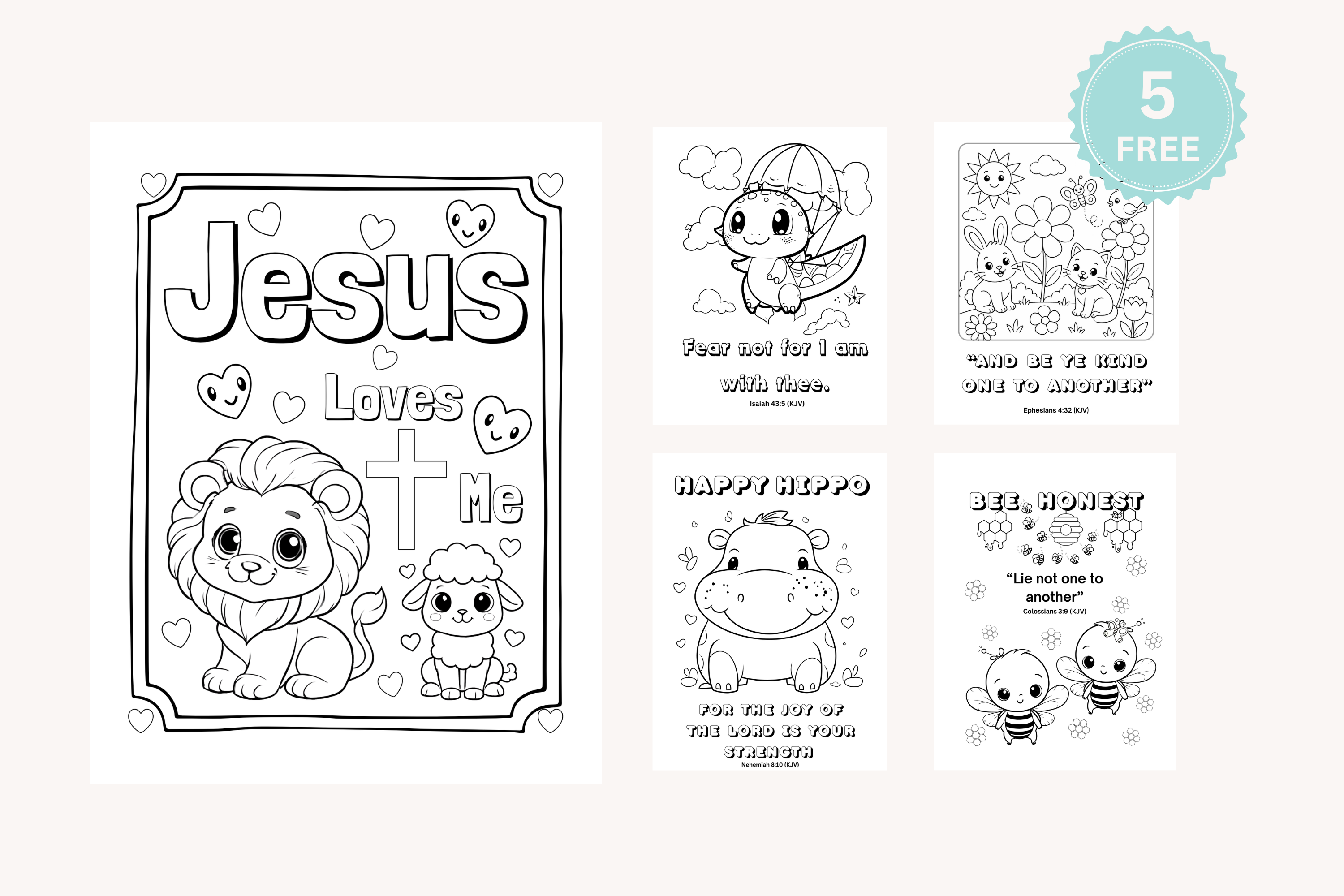 |
|
Get 5 Free Colouring Pages Bible Truths for Little Hearts Bring God’s Word into your child’s day with 5 fun, Bible-based colouring pages. |
|